
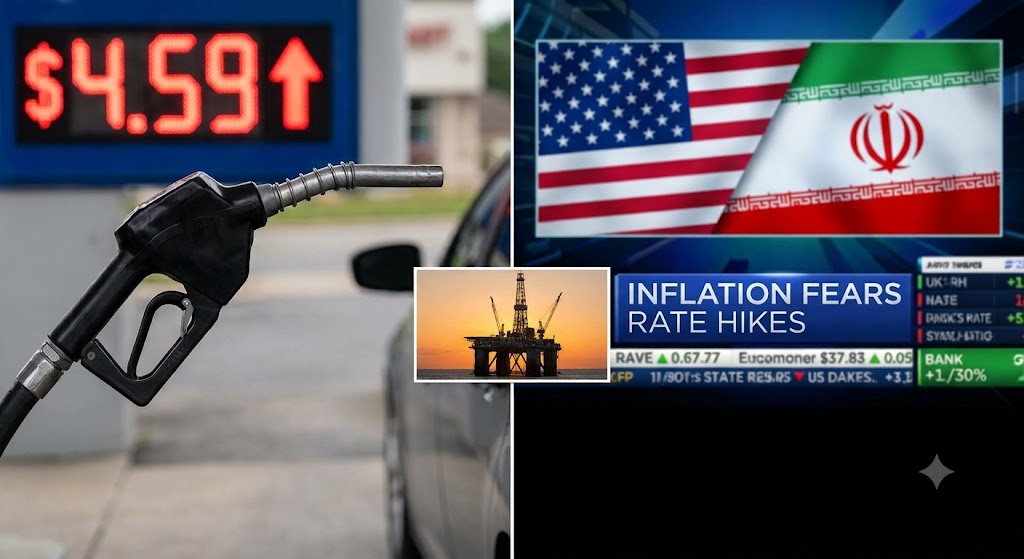
Recent military tensions between the United States and Iran have led to a notable increase in global oil and gas prices, causing renewed apprehensions about energy supplies and inflation. Brent crude oil saw a significant spike, reaching its highest price in over a month, before prices moderated following President Donald Trump’s decision to withdraw a proposal that would have imposed a 20% levy on ships traversing the vital Strait of Hormuz.
The surge in energy costs has heightened the likelihood that major central banks, such as the Bank of England and the European Central Bank, may opt to raise interest rates later in the year as a measure to control inflation. The financial markets responded with an uptick in bond yields, while European stock markets initially dipped due to concerns over the proposed shipping fee, but later rebounded as these worries subsided.
Market analysts are cautioning that persistent geopolitical strains in the Middle East could sustain volatility in energy markets. This continued instability is expected to play a crucial role in shaping global inflation trends and influencing monetary policy decisions in the upcoming months.
As the situation unfolds, the potential for further escalation in the region remains a critical factor for investors and policymakers alike, who must navigate the complex dynamics of fluctuating energy prices and economic stability. The developments underscore the interconnectedness of geopolitical events and global financial systems, highlighting the delicate balance required to manage both economic growth and inflationary pressures.