
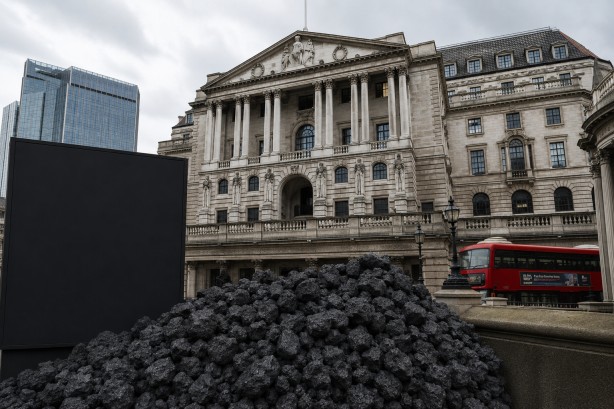
In a decisive move to combat climate-related financial risks, the Bank of England has declared that starting in October, it will no longer accept bonds linked to thermal coal companies as collateral for its lending operations. This action underscores the central bank’s commitment to addressing environmental concerns and reflects the growing financial vulnerabilities associated with fossil fuels.
Thermal coal, used primarily in power plants for electricity generation, is facing increased scrutiny as nations worldwide advance their efforts to transition to cleaner energy sources and achieve net-zero emissions. The Bank of England’s policy change signifies a strategic shift, recognizing that assets tied to thermal coal may depreciate in value as the global economy pivots towards sustainable alternatives.
Under this new directive, commercial banks that rely on bonds as collateral to secure funds from the central bank for their routine operations will need to adjust their asset portfolios. Additionally, the Bank of England retains the ability to impose discounts on bonds from other sectors that are similarly exposed to environmental risks, a measure designed to safeguard its financial standing from potential climate-related losses.
Environmental advocates have applauded the central bank’s decision, viewing it as a powerful message to the financial sector and a potential catalyst for commercial banks to reconsider their investments in industries with high pollution levels. Already, over 150 leading financial institutions around the globe have adopted restrictions on dealings with the thermal coal industry, aligning with broader efforts to mitigate environmental impacts.
While analysts commend the Bank of England’s initiative, they emphasize that its success will largely depend on the methodologies used to evaluate climate risks. The broader impact of this policy could hinge on whether similar restrictions are extended to other sectors that contribute to environmental degradation in the future.