
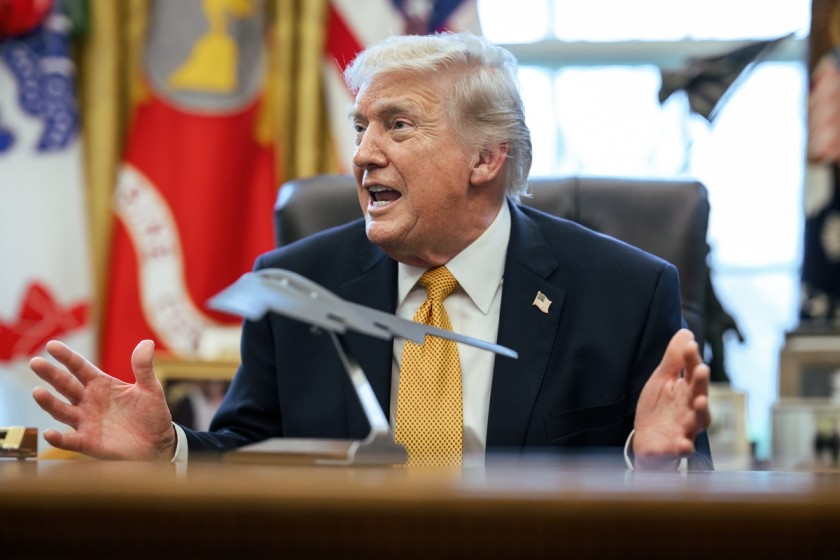
The United States Supreme Court has dismissed former President Donald Trump’s effort to restrict birthright citizenship, effectively nullifying an executive order aimed at denying automatic citizenship to certain children born in the country. In a 6-3 decision, the Supreme Court upheld a lower court’s ruling that prevented the policy from being implemented.
Trump had introduced the executive order as a component of his broader immigration policy, asserting that children born in the U.S. should not automatically receive citizenship if their parents are neither U.S. citizens nor permanent residents. Critics argued against the order, claiming it conflicted with the 14th Amendment’s Citizenship Clause, which grants citizenship to most individuals born on American soil.
Following the Supreme Court’s decision, Trump expressed his intention to support Congressional efforts to alter birthright citizenship rules through new legislation. He contended that such changes could be enacted without the need for a constitutional amendment, although enacting such significant reforms would likely encounter substantial political and legal hurdles.
This ruling reinforces the established interpretation that most individuals born in the United States are entitled to citizenship, with only limited exceptions. The decision represents another significant setback for Trump’s policy initiatives, as the court has previously blocked other major proposals from his administration.
The legal dispute centered on the interpretation of the phrase “subject to the jurisdiction” within the 14th Amendment, questioning whether it permits the government to exclude children of certain non-citizens from citizenship rights. The Supreme Court’s decision affirms that birthright citizenship remains safeguarded under the Constitution, maintaining the long-standing understanding of the amendment.