
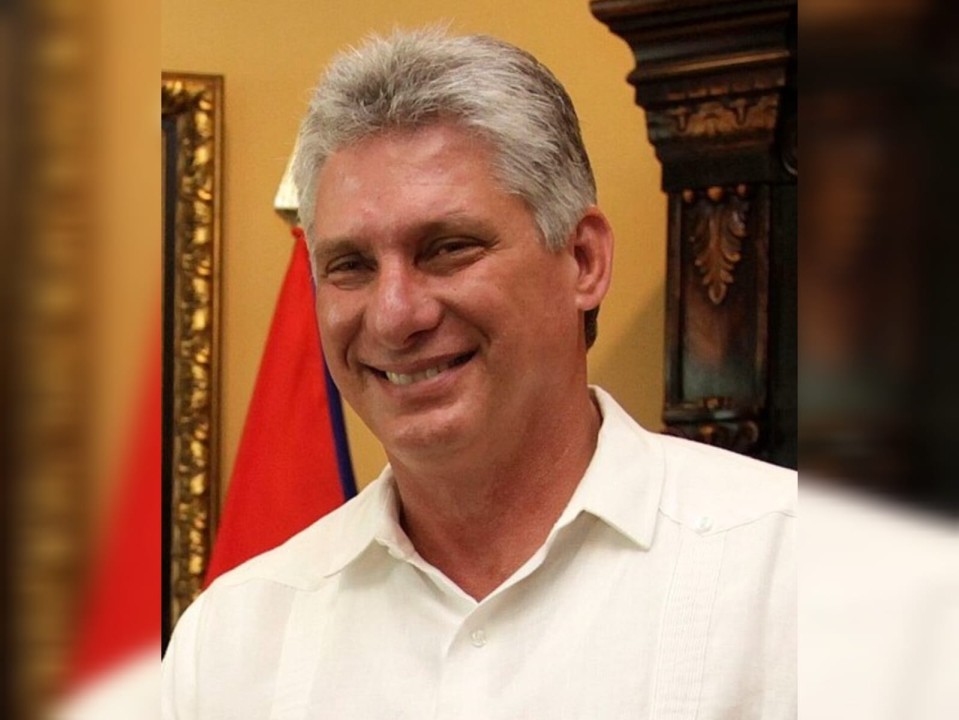
The United States has unveiled a fresh set of economic sanctions aimed at the upper echelons of Cuban leadership. This targeted measure includes Cuban President Miguel Díaz-Canel, his family, and members of the Castro family, amplifying the U.S.’s pressure campaign on Cuba. The sanctions extend to entities associated with Cuba’s military and state-run organizations, notably the Ministry of the Revolutionary Armed Forces and several related institutions. Individuals with ties to former President Raúl Castro, who still wields significant influence in Cuba’s political landscape despite not holding a formal government role, are also affected.
This latest move is part of a broader strategy by the U.S. to intensify economic and diplomatic pressure on the Cuban government. U.S. Secretary of State Marco Rubio emphasized that any foreign entities, including banks and international companies, that provide support to the sanctioned individuals or organizations could face penalties. This measure aligns with ongoing U.S. restrictions against Cuba, which include long-standing economic embargoes.
The announcement marks a further deterioration in relations between Washington and Havana. In recent years, U.S. officials have accused the Cuban government of engaging in political repression and interfering in regional affairs. Meanwhile, Cuban leadership continues to attribute its economic hardships to the sanctions imposed by the U.S. The sanctions are part of a comprehensive approach under President Donald Trump, who has increased economic and political pressure not only on Cuba but also on other countries in the region.
These developments underscore the continuing tensions between the two nations. As the U.S. ramps up its efforts to isolate Cuba economically and diplomatically, the island nation remains steadfast in its position, blaming U.S. policies for its economic challenges. The latest sanctions highlight the persistent and complex nature of the U.S.-Cuba relationship, which shows little sign of improvement under the current U.S. administration.