
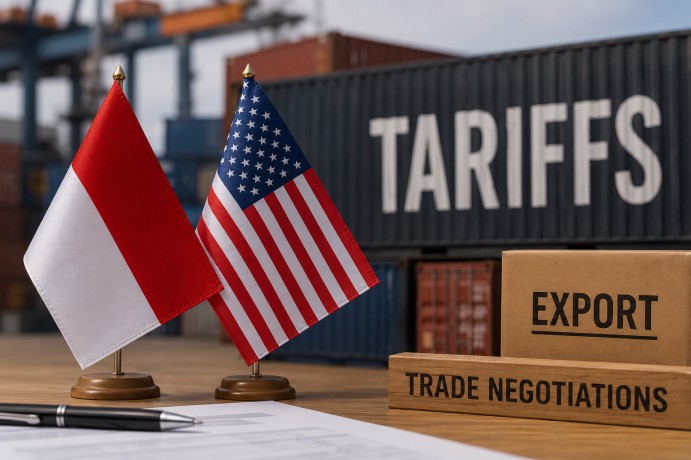
Indonesia is actively pursuing confirmation from the United States regarding the continuation of previously agreed tariff exemptions for its key exports. This effort follows the implementation of a new 10% U.S. tariff, which has been instated due to concerns surrounding forced labor enforcement. Currently, Indonesia is among the nations subjected to this lower tariff rate. The country’s officials are maintaining close communication with U.S. trade authorities, expressing optimism that existing trade agreements will uphold duty-free access for significant Indonesian exports like crude palm oil, cocoa, coffee, and natural rubber.
In addition to the current tariff situation, Indonesia is also closely monitoring the progress of a separate U.S. investigation that could potentially lead to additional trade measures. This investigation focuses on structural excess capacity, a matter that may have significant implications for Indonesian exports. The Indonesian government has stated its commitment to ongoing negotiations aimed at securing competitive tariff rates to safeguard its export market.
Furthermore, the new U.S. trade policy provides preferential treatment for specific Indonesian textile exports that incorporate U.S. cotton and other American materials. This aspect of the policy highlights a continued collaborative aspect within the trade relationship between the two countries, particularly in the textile sector.
Amid these developments, Indonesia has reported that its bilateral trade with the United States amounted to $18.4 billion during the first five months of 2026. This trade activity has resulted in Indonesia maintaining a trade surplus of approximately $7 billion, underscoring the significance of its economic exchange with the U.S.
As Indonesia navigates these trade challenges, its officials remain focused on ensuring that the nation’s exports continue to benefit from favorable trading conditions. The outcome of their ongoing discussions with U.S. authorities will be pivotal in shaping the future of Indonesia’s trade strategy and its economic relationship with the United States.