
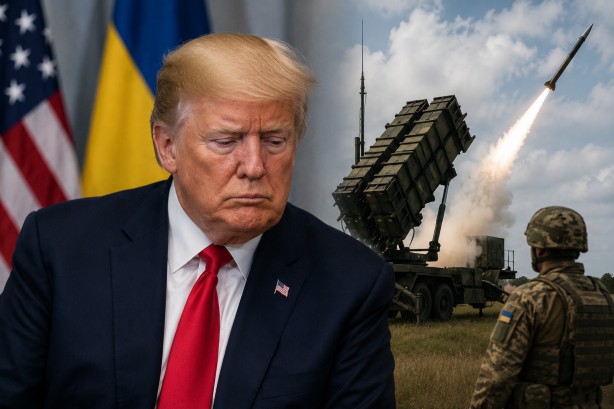
In a recent cabinet meeting at Camp David, President Donald Trump indicated a shift in U.S. policy regarding the potential transfer of advanced military technology to Ukraine. Trump walked back an earlier suggestion that Ukraine could domestically manufacture Patriot air defense interceptors, clarifying that such a transfer remains under discussion but has not been approved. The President emphasized the challenges associated with sharing such sophisticated defense capabilities, expressing concerns that they could potentially be used against the United States in the future.
This development marks a change in tone from previous discussions between Trump and Ukrainian President Volodymyr Zelenskyy, where the possibility of local production of Patriot systems was considered as a potential collaborative effort. Trump’s recent comments suggest a re-evaluation of this approach, with a focus instead on bolstering domestic production of Patriot and Tomahawk missile systems within the United States.
The decision arrives as Ukraine continues its pursuit of enhanced air defense capabilities amidst ongoing military challenges and a global shortage of advanced interceptor missiles. The shift in U.S. stance is likely to raise concerns in Kyiv, which has consistently advocated for increased deliveries of Patriot systems and sought the ability to produce them locally to bolster its air defense infrastructure.
While the discussions on technology transfer remain ongoing, Trump’s remarks underscore the complexities and strategic considerations involved in sharing advanced military technology. The implications of this decision will be closely watched, as Ukraine navigates its defense needs amid geopolitical tensions.