
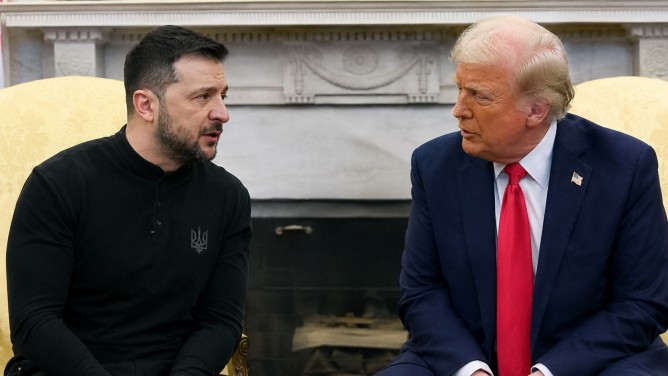
In recent discussions at the White House, U.S. President Donald Trump engaged in separate meetings with Ukrainian President Volodymyr Zelenskyy and Israeli Prime Minister Benjamin Netanyahu. Following these talks, Trump characterized both meetings as “very good” in social media posts, though he refrained from disclosing specific details. The meetings underscored pivotal issues involving both Ukraine and Israel.
President Zelenskyy highlighted that his conversation with Trump concentrated on enhancing Ukraine’s air defense capabilities. This includes potential licensing agreements that would enable Ukraine to manufacture interceptors for the Patriot missile systems. Zelenskyy expressed gratitude for the ongoing U.S. support and stressed the importance of reviving diplomatic initiatives amid the ongoing conflict.
Meanwhile, Prime Minister Netanyahu’s visit was primarily focused on regional security matters. Discussions included the situation in Iran, developments in Lebanon, and efforts to broaden the scope of the Abraham Accords. Netanyahu’s meeting with Trump came against a backdrop of recent tensions regarding their respective strategies on Iran and broader Middle East issues.
The dialogues with both leaders reflect Washington’s active involvement in addressing the Ukraine conflict and security challenges across the Middle East. These discussions serve to reinforce the U.S.’s role in fostering stability and advancing diplomatic engagements in both regions.