
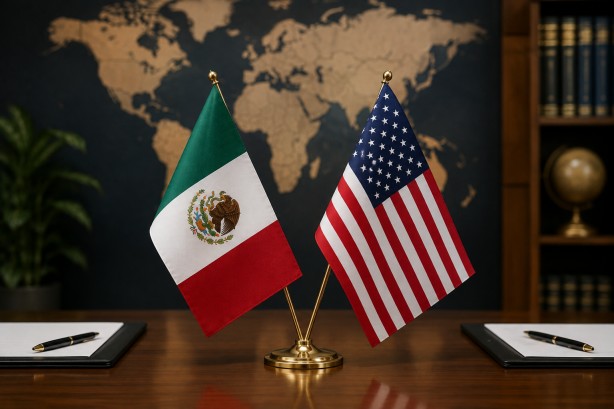
In a bid to bolster security collaboration, Mexico and the United States are navigating through a diplomatic spat incited by the revocation of Andy López Beltrán’s U.S. visa. The decision to revoke the visa has drawn criticism from Mexico’s ruling Morena party, with allegations of political interference surfacing. Mexican President Claudia Sheinbaum has stood by López Beltrán, asserting that there is no evidence of any misconduct on his part.
Despite the friction, both nations continue to advance their security cooperation. U.S. Ambassador to Mexico Ronald Johnson recently revealed that Mexico will now have access to the U.S. drone procurement market, underscoring ongoing defense collaborations between the two countries. This development highlights a commitment to maintaining defense ties amidst the diplomatic tensions.
Moreover, President Sheinbaum has granted authorization for Mexican Security Secretary Omar García Harfuch to participate in a U.S. Drug Enforcement Administration (DEA) security conference in Argentina. This decision marks a reversal from an earlier stance not to engage, symbolizing a willingness to engage in dialogues on critical issues such as drug trafficking, border security, and organized crime.
While the relationship has been tested by U.S. accusations against officials in Mexico’s Sinaloa state and the ensuing calls from Washington for arrests and extraditions, Mexico has maintained its stance on sovereignty, pushing back against certain U.S. demands. Yet, both countries seem committed to forging a more stable security partnership, even as broader political disagreements persist.
Efforts to maintain a collaborative approach on security matters reflect an understanding that both nations share common challenges that require joint solutions. As they work through diplomatic challenges, the focus on cooperation suggests a pragmatic approach to managing issues that impact both sides of the border.