
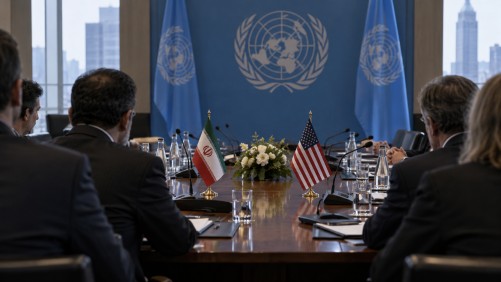
The potential reopening of the Strait of Hormuz, a critical chokepoint for global oil shipments, could significantly impact international energy markets, with Iran signaling a willingness to take such a step within a week if the United States eases its military and economic pressures. This development follows three hours of talks between Iranian officials and the U.S. special envoy Steve Witkoff, held on the sidelines of the UN General Assembly in New York.
Iranian Foreign Minister Abbas Araghchi participated in the discussions, which were mediated by Qatari diplomats. According to Witkoff, the talks were positive, and there is a possibility of further meetings soon. A senior Iranian official emphasized that Tehran is seeking indications from Washington that it is ready to resume negotiations and mitigate restrictions related to the strategic waterway, in exchange for Iran reopening the strait and engaging in diplomacy.
Despite these discussions, Iran remains divided on its approach to negotiations with the United States. While some officials appear open to dialogue, media outlets linked to the Islamic Revolutionary Guard Corps have challenged the notion that Iran has shifted its negotiating stance.
During his address at the UN, President Donald Trump highlighted his dilemma between reaching an agreement with Iran and considering additional actions against the nation. He reaffirmed the U.S. position against Iran developing a nuclear weapon, underscoring the ongoing tensions between Washington and Tehran.
The recent talks and regional mediation efforts aim to pave the way for negotiations and a potential resolution to the current standoff, which has contributed to volatility in global energy markets due to the strategic importance of the Strait of Hormuz.