
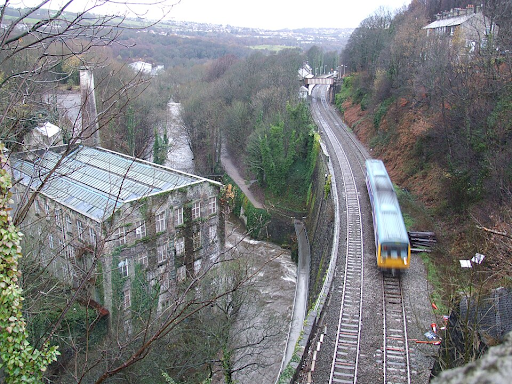
The new 62-mile Steel Cotton Rail Trail is a powerful journey through a “post-industrial” landscape defined by nature’s comeback. This 14-section route between Manchester and Sheffield showcases how “wilderness” has reclaimed “work.”
A key highlight is Mousley Bottom nature reserve. Walkers on the trail will enter this “pretty patch of woodland,” an area that was “previously used as a landfill site, gasworks and sewage works.”
This theme of reclamation is everywhere. The trail follows the 1796 Peak Forest Tramway, once a heavy industrial route for limestone, now a “mellow” green path where walkers hear the “crunch of dry acorns.”
The trail “brings together elements of the land and the heritage,” passing the “UK’s longest-running textile mill” (Torr Vale) and the “once largest and busiest inland port” (Bugsworth Basin), all of which are now historic sites surrounded by “eye-calming” scenery.
This new, rail-linked trail is a “perfect autumn amble” for those who love to see nature’s resilience and the “magical” transformation of the landscape.
INDIA ABROAD NEWS is multi-platform news and information media broadcast company. Every year, we deliver world-class journalism to more than 10 million world’s most influential audiences in over 150 countries, who want to stay up-to-date with all that is happening in the world. Whether it’s News, Sports, Money, Politics, or Entertainment, we drive an imperative conversation every day on every platform.
© Copyright by INDIA ABROAD NEWS (A Digital Media Brand owned by AMAZON MEDIA LLC).